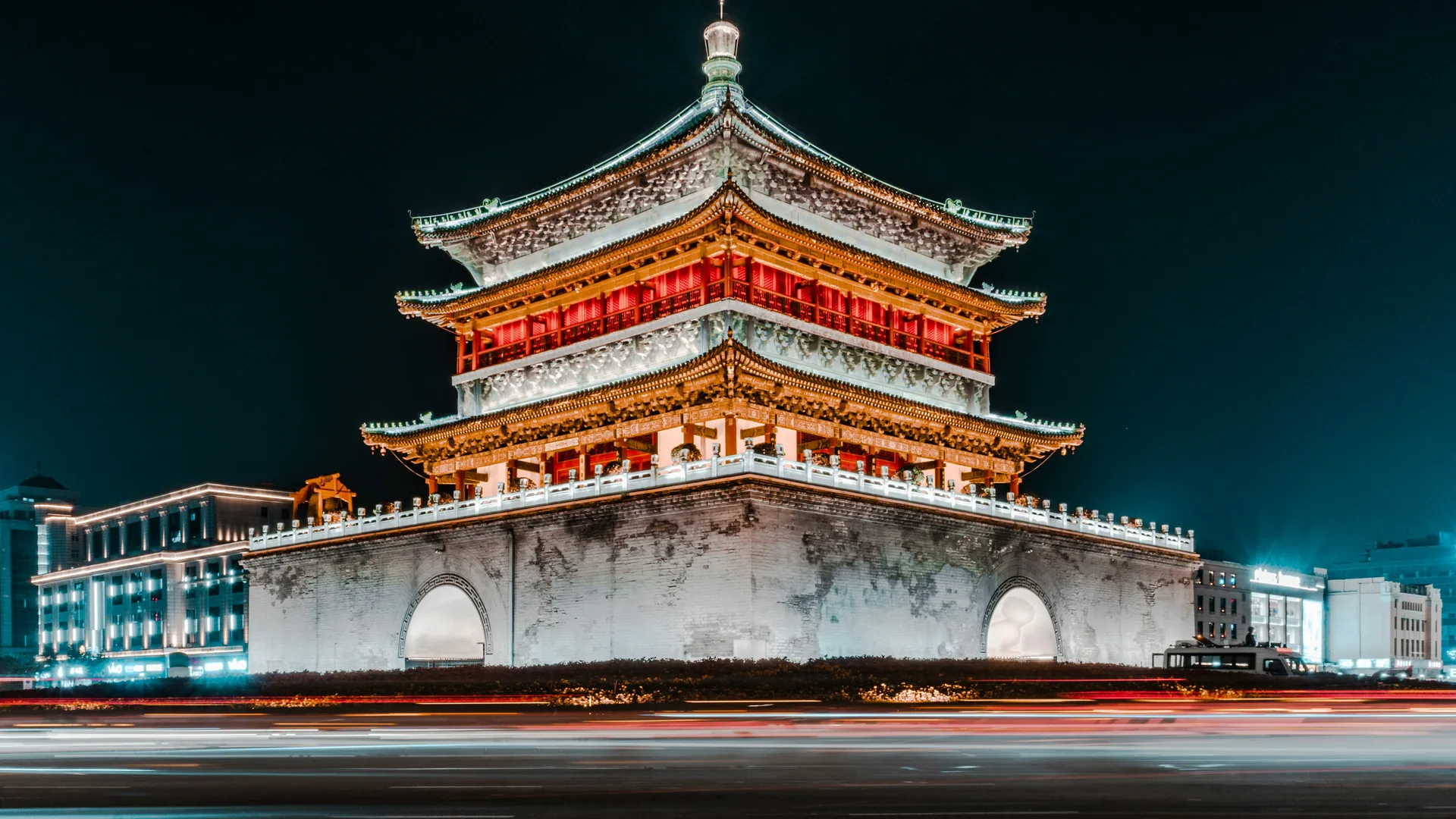
Travel Guide
China - Xi'an
As China's ancient capital and Silk Road starting point, Xi'an blends imperial history, street food, and Hui Muslim culture.
Xi'an Travel Guide 2026
This in-depth Xi'an city guide was created collaboratively by experienced local guides and travel specialists. Rather than offering a surface-level checklist, it brings together first-hand guiding experience, neighborhood-level observation, and the practical perspective locals use when planning real trips. It covers route pacing, food, transport, cultural context, and small on-the-ground details that short generic guides often miss, making it useful for travelers who want to understand Xi'an beyond the highlights.
Table of Contents
- I. Overview
- II. Recommended Routes
- III. Featured Dishes
- IV. Entry
- V. Transportation
- VI. Emergency Call Numbers
- VII. Departure
- VIII. Accommodation Recommendations
- IX. Essential Survival Phrases
- X. Packing List
I. Overview
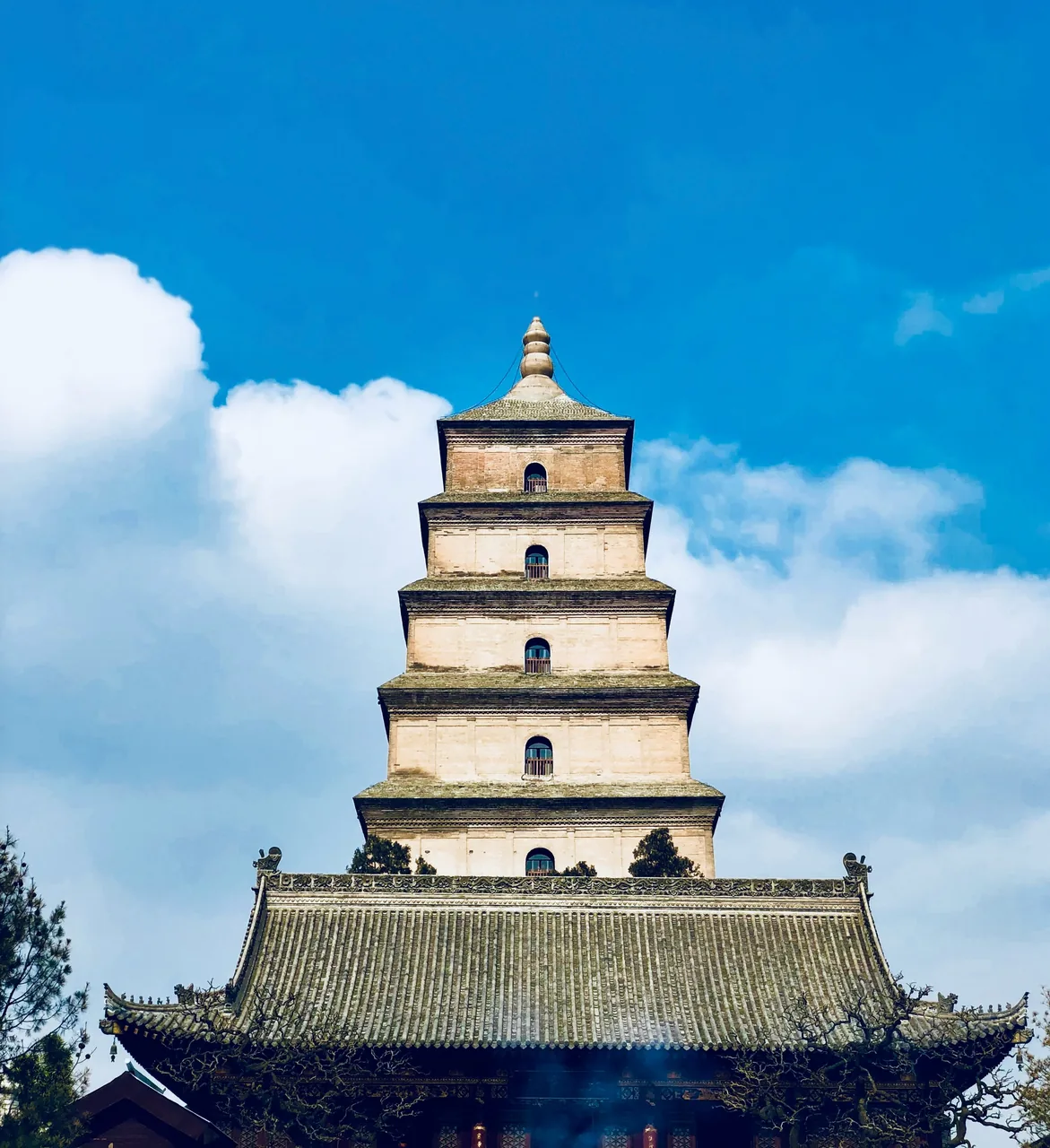
Xi'an (西安) is where China began. As the starting point of the Silk Road and the capital of thirteen dynasties — including the mighty Tang, when it was the largest city on Earth — Xi'an carries more layers of history than almost anywhere else on the planet. Yet this isn't a museum piece: beyond the Terracotta Warriors and the magnificently intact City Wall, you'll find a city pulsing with late-night street food smoke, a thriving Muslim Quarter, and a creative energy that's redefining what a "heritage city" can feel like. For international travelers, Xi'an delivers that rare combination of bucket-list spectacle and genuine, unhurried local life.
Best time to visit:
- Spring (April–May) and Autumn (September–October) offer the most comfortable conditions, with warm days, cool evenings, and better sightseeing weather than midsummer.
- October is the easiest sweet spot: mild, relatively drier, and excellent for the City Wall, temples, and outdoor ruins. September is also comfortable but can bring lingering autumn rain, so pack a compact umbrella.
- Avoid: National Day Golden Week (October 1–7) when domestic tourism floods every major site. Chinese New Year (late January/February) brings closures and crowds. Summers can be brutally hot and humid, with July–August highs regularly exceeding 35°C (95°F).
| Month | High / Low (°C) | Rain |
|---|---|---|
| January | 5° / -4° | 3 days |
| February | 8° / -1° | 4 days |
| March | 14° / 4° | 6 days |
| April | 21° / 10° | 7 days |
| May | 27° / 15° | 8 days |
| June | 32° / 20° | 9 days |
| July | 34° / 23° | 10 days |
| August | 33° / 22° | 9 days |
| September | 26° / 17° | 9 days |
| October | 20° / 10° | 7 days |
| November | 12° / 3° | 5 days |
| December | 6° / -3° | 3 days |
English Levels: Xi'an is less English-friendly than Beijing or Shanghai — be prepared. Staff at major hotels, hostels, and the Terracotta Warriors museum generally manage basic English, but outside tourist zones, communication drops off quickly. Taxi and ride-hail drivers almost never speak English; always have your destination written in Chinese characters on your phone. Download a translation app (Google Translate's offline Chinese pack or the locally reliable Baidu Translate) before arrival. The metro system, fortunately, has bilingual signage throughout.
Local's tip: "Screenshot the Chinese name and address of everywhere you're going. Even showing a map pin to a taxi driver saves ten minutes of confusion." — Mia, expat English teacher in Xi'an
Hui Muslim Culture & the Quarter: Xi'an is home to one of China's oldest and most vibrant Hui Muslim communities, centered around the Muslim Quarter (回民街) near the Drum Tower. This isn't a tourist invention — the neighborhood has been a living cultural hub for over a thousand years. The Great Mosque of Xi'an (西安大清真寺), built in 742 AD, blends Chinese architectural forms with Islamic function in a way you won't see anywhere else. The food culture here — hand-pulled biángbiáng noodles, crumbled-bread lamb stew (yángròu pàomó 羊肉泡馍), and grilled cumin lamb skewers — is inseparable from Xi'an's identity.
Tang Dynasty Performing Arts: Xi'an takes its Tang heritage seriously. The city maintains a strong tradition of Tang-era music and dance performance, most notably at venues like the Shaanxi Grand Opera House (陕西大剧院). These aren't cheesy dinner shows — the choreography draws on genuine historical research and the costumes are stunning.
Key Facts
...