I. Overview
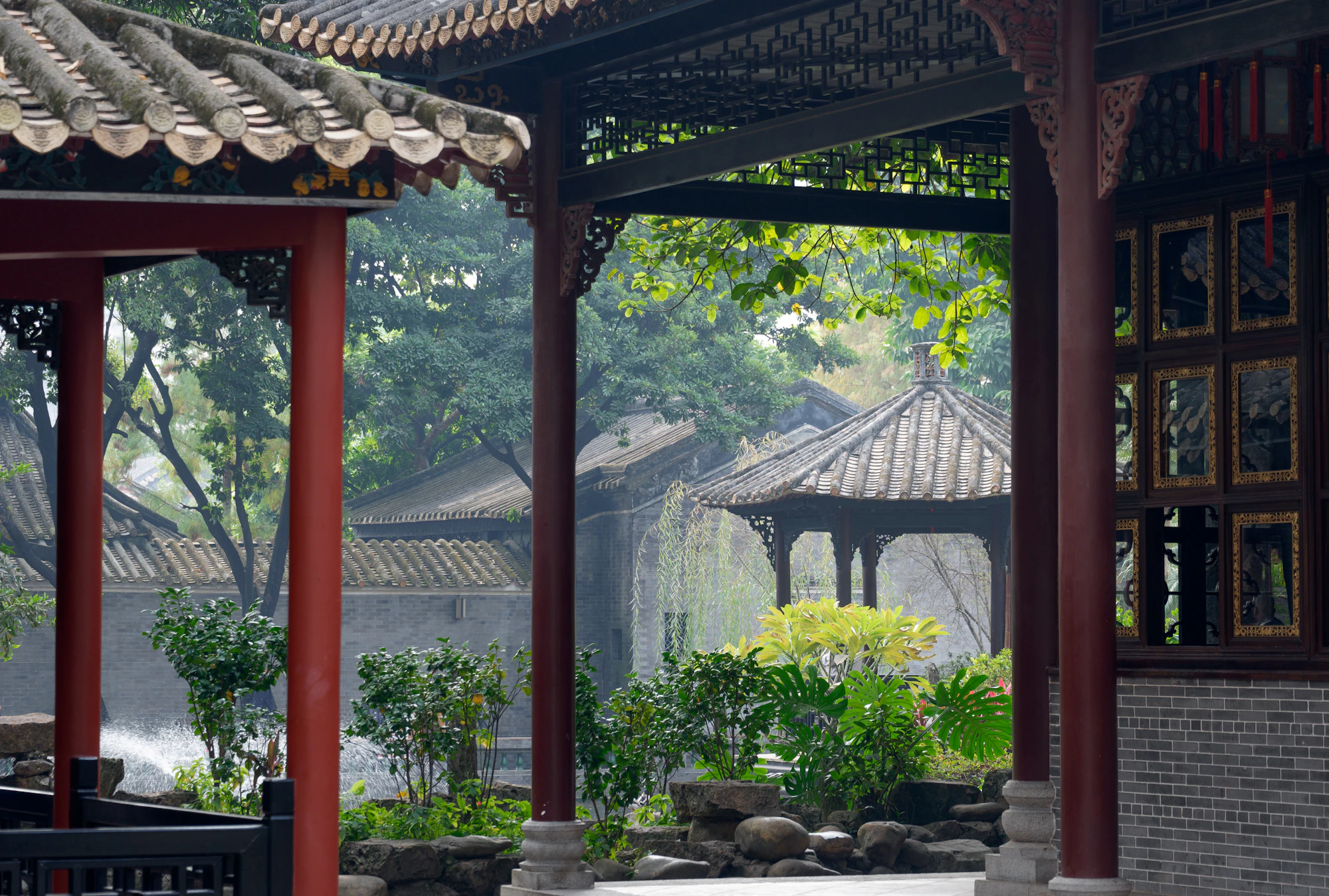
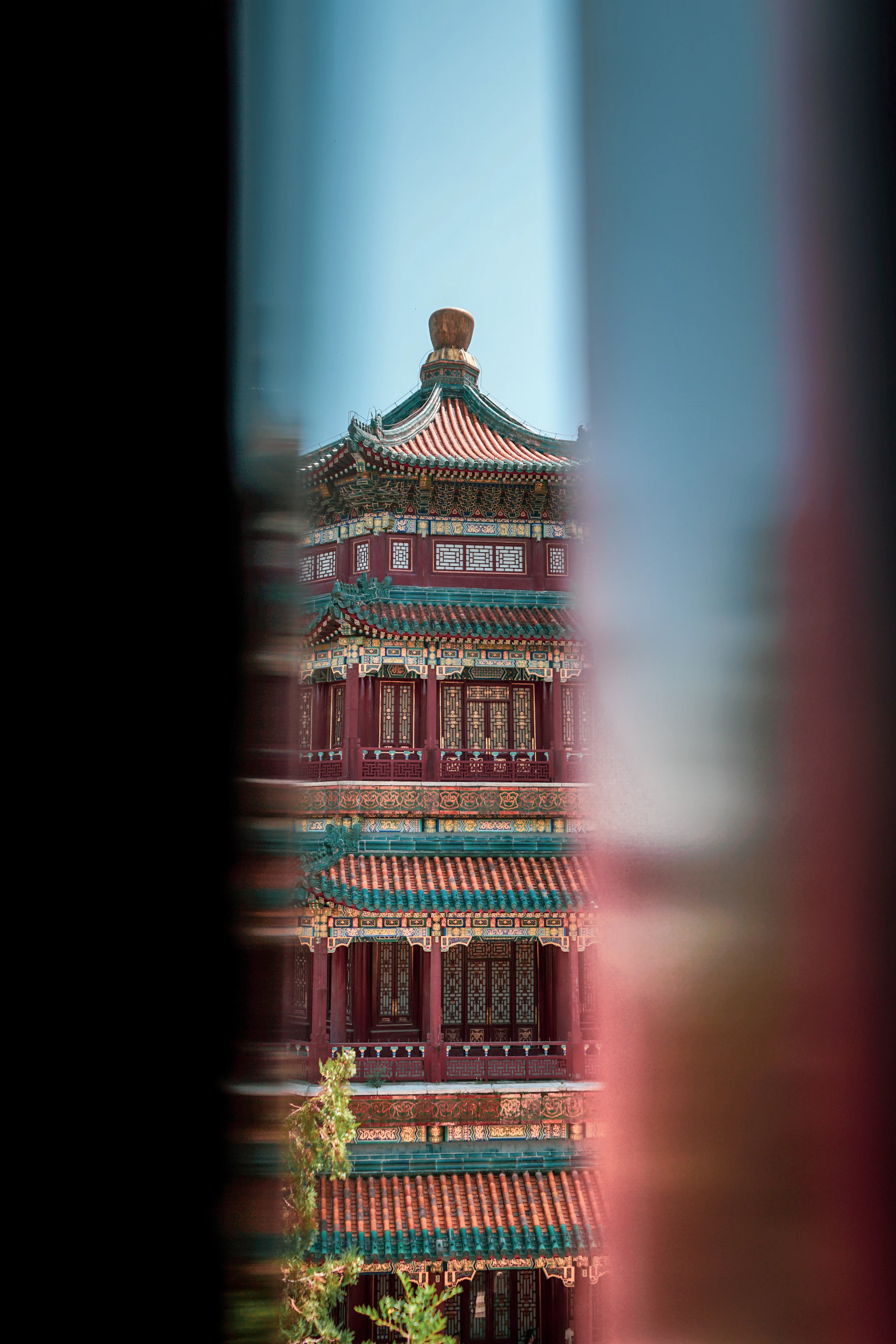
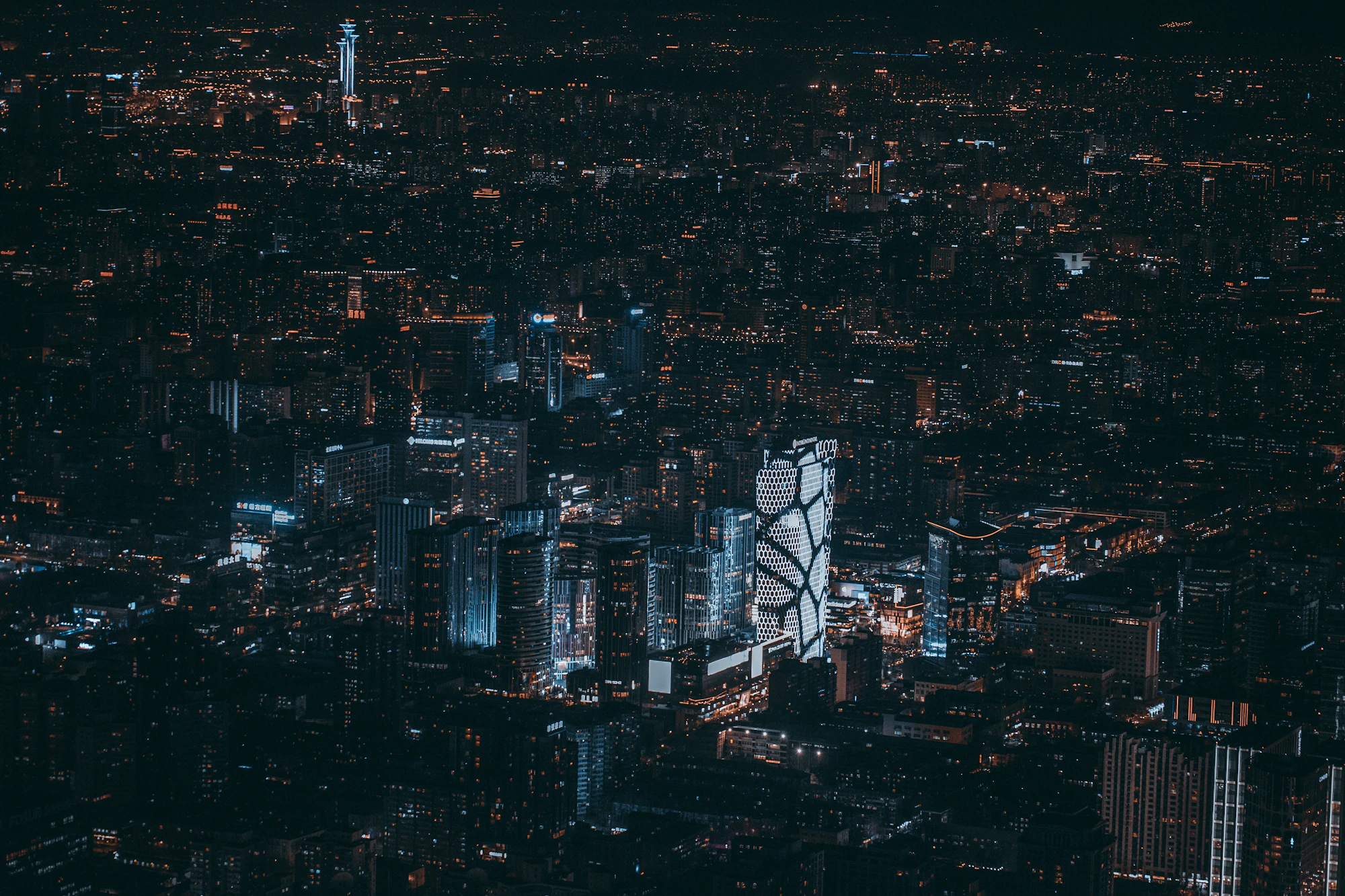
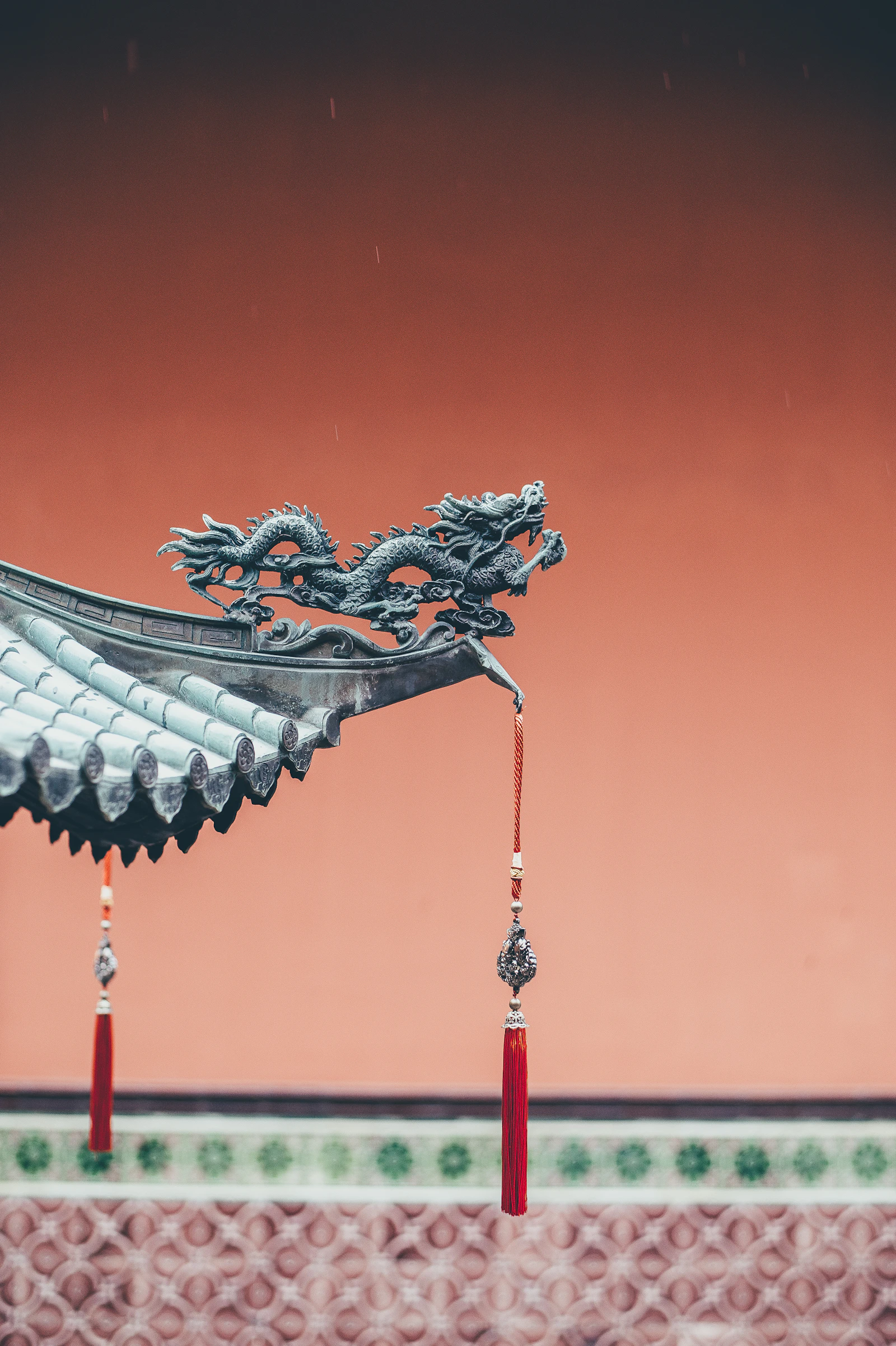
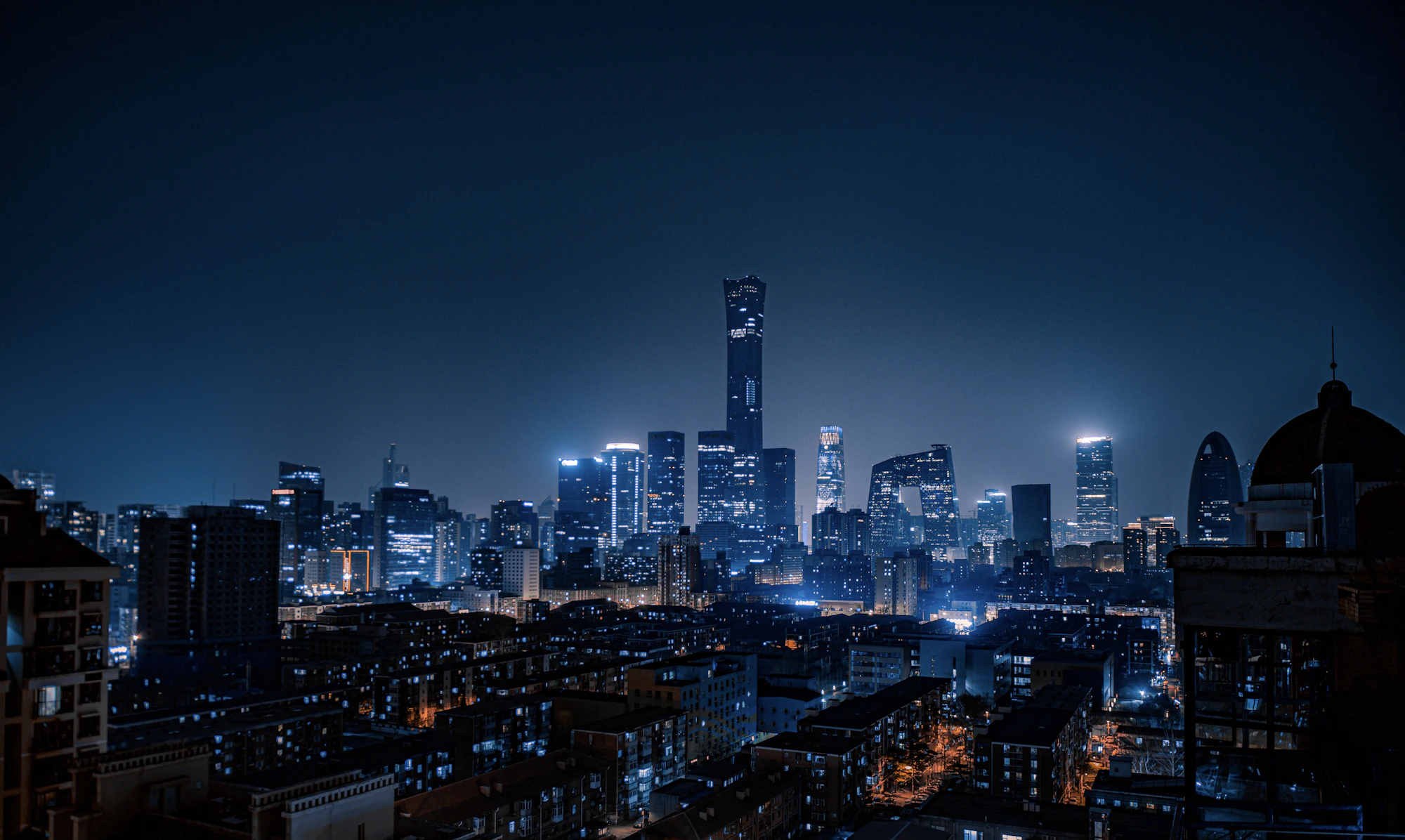
As China's capital for over 800 years, Beijing offers the perfect blend of imperial grandeur, modern dynamism, and authentic local culture. From the majestic Forbidden City to the winding hutongs, from world-class cuisine to buzzing nightlife, Beijing is a city that will surprise you at every turn.
- Spring (March-May) and Autumn (September-November) for mild weather, clear skies, and fewer crowds (avoid October Golden Week).
- September and October are widely considered the most comfortable months with temperatures around 15°C–25°C (59°F–77°F).
| Month | High / Low (°C) | Rain |
|---|
| January | 2° / -8° | 2 days |
| February | 5° / -5° | 3 days |
| March | 12° / 2° | 5 days |
| April | 20° / 9° | 7 days |
| May | 26° / 15° | 9 days |
| June | 30° / 20° | 12 days |
| July | 31° / 23° | 16 days |
| August | 30° / 22° | 14 days |
| September | 26° / 17° | 8 days |
| October | 19° / 9° | 5 days |
| November | 10° / 1° | 4 days |
| December | 3° / -6° | 2 days |
English Levels: English is spoken more widely in Beijing than in other Chinese cities, especially by young people and in tourist areas. However, taxi drivers generally still do not speak English (show them the address in Chinese on your phone).
Tea Culture: Beijing has a deep-rooted tea culture. You'll find traditional teahouses throughout the city, especially in hutongs. Don't miss trying Chinese tea ceremony experiences.
Nearby Cities: Tianjin, Chengde, Zhangjiakou, Baoding, etc.
Population: 21.54 million
II. Theme Tours
🏛️ Imperial Heritage Tour (3-4 days)
Perfect for first-time visitors who want to see Beijing's iconic imperial landmarks. This tour takes you through 800 years of Chinese imperial history, from the grandeur of the Forbidden City to the serenity of the Summer Palace.
Day 1: The Forbidden City & Jingshan Park
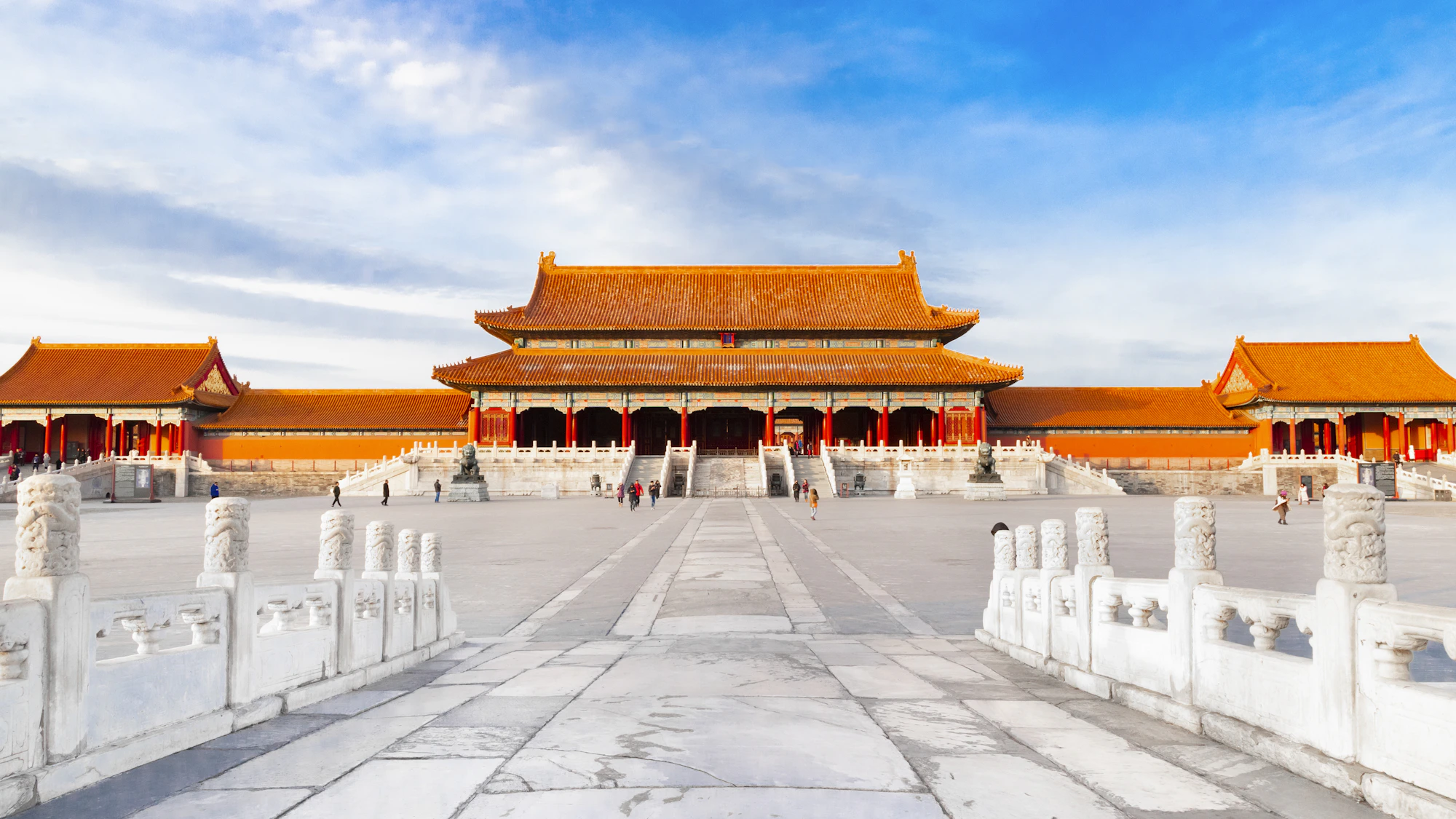
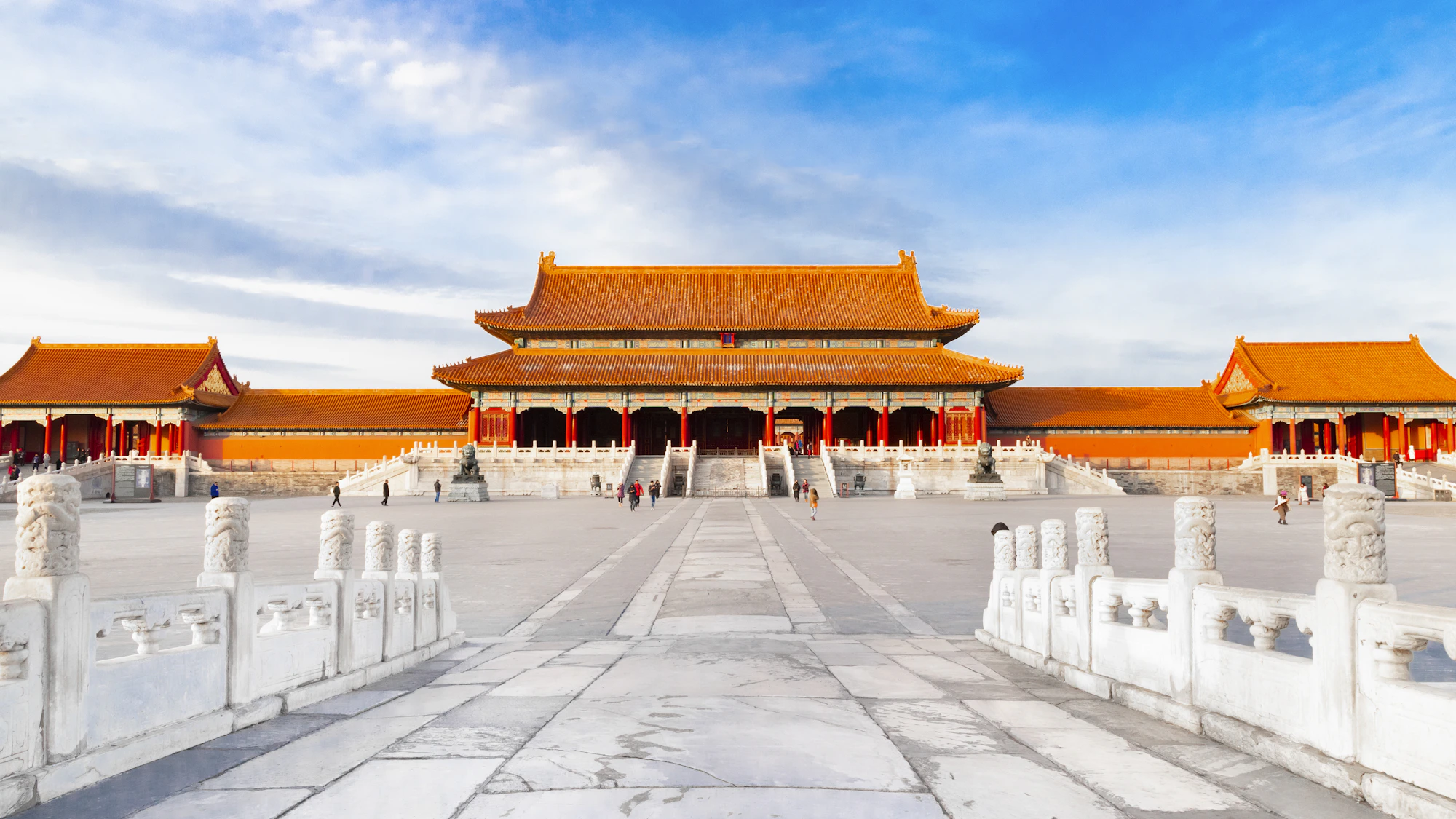
- What it is: The world's largest imperial palace complex, home to 24 emperors over 500 years
- Local's tip: Enter through the South Gate (Meridian Gate) and exit through the North Gate (Gate of Divine Might) for the classic route. Don't miss the Hall of Supreme Harmony and the Imperial Garden.
- Best time: 8:30 AM when doors open to avoid crowds, or late afternoon for golden hour photos
- Insider secret: The eastern and western side halls are less crowded but equally stunning. Check out the Clock Gallery and Treasure Gallery (separate tickets required but worth it).
- Local experience: "I always tell friends to look up at the roofs — the yellow glazed tiles and mythical animal figures tell stories most tourists miss." - Beijing local
- What it is: An imperial park with a central hill offering panoramic views of the Forbidden City
- Local's tip: Climb to the Pavilion of Everlasting Spring (Wanchun-ting) for the iconic shot of the Forbidden City's golden roofs.
- Best time: Sunset — watch the Forbidden City glow as the sun goes down
- Local experience: "This is where locals practice tai chi in the morning and dance with fans in the evening. Join them!" - Beijing retiree
Day 2: Temple of Heaven & Surroundings
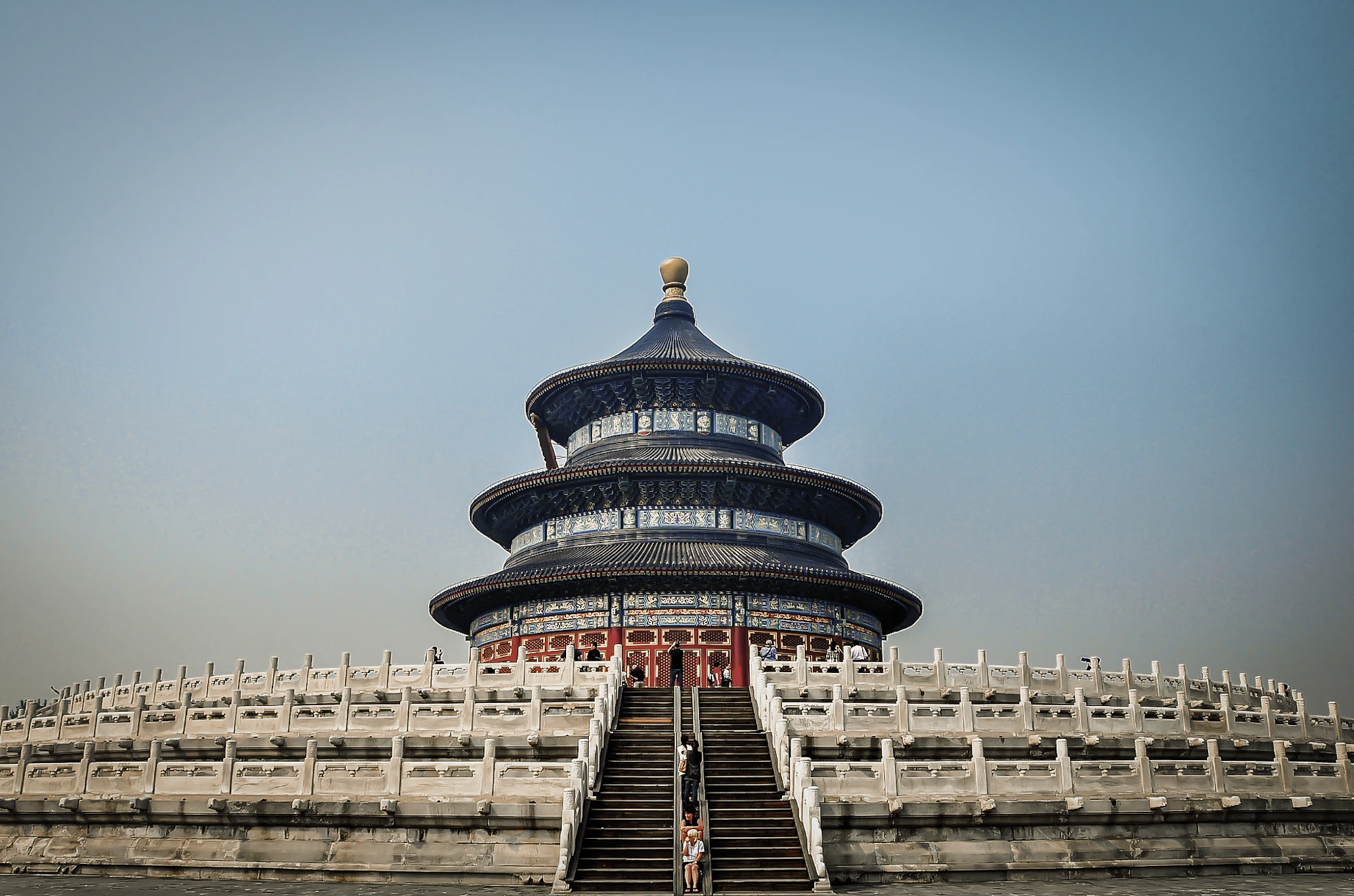
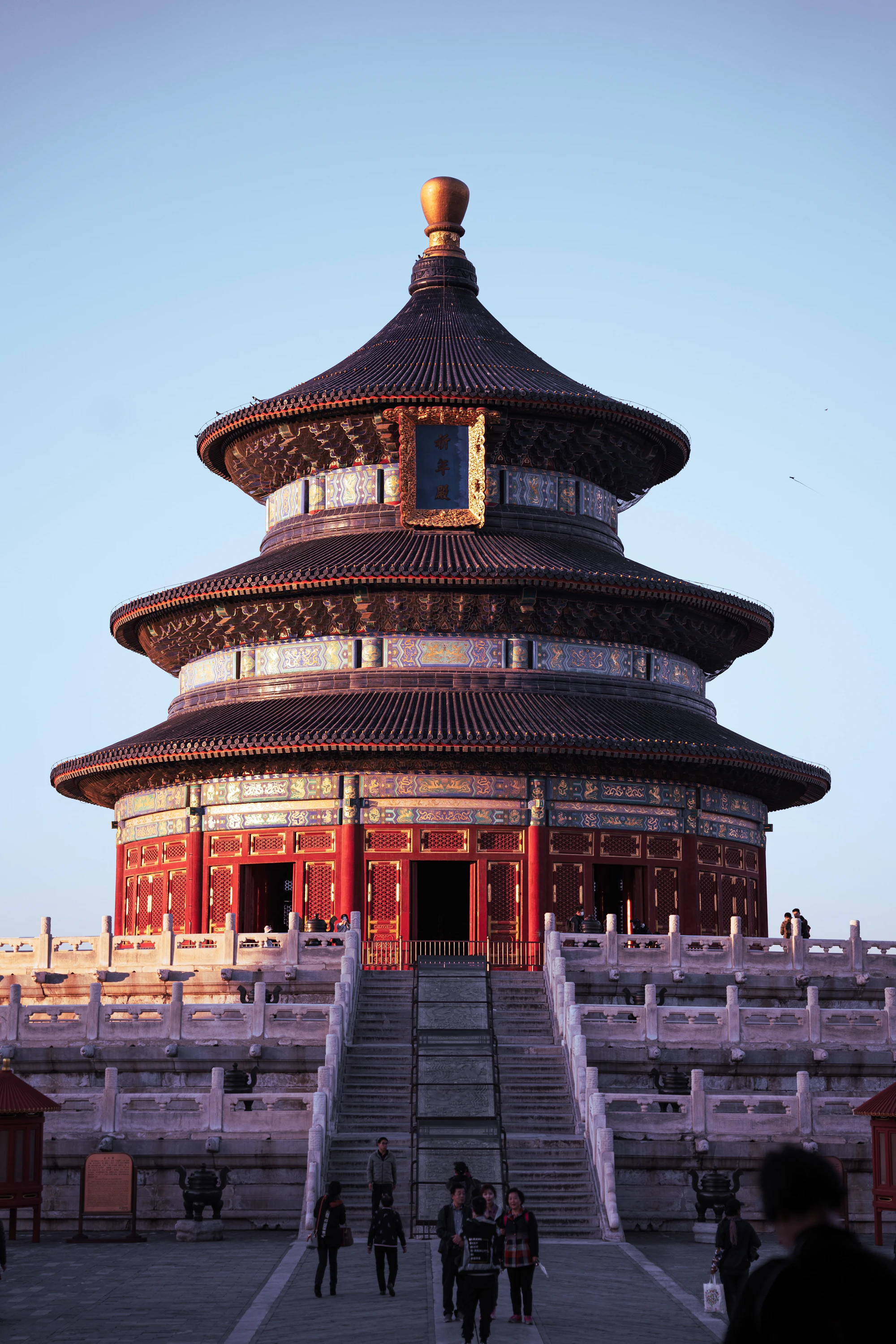
- What it is: A complex where Ming and Qing emperors prayed for good harvests
- Local's tip: Arrive at 7 AM to see locals doing tai chi, sword dancing, and water calligraphy. The Echo Wall and Triple Sound Stones are acoustic marvels.
- Don't miss: The Hall of Prayer for Good Harvests — its blue-tiled roof and circular design are iconic
- Local experience: "My grandfather comes here every morning at 6 AM to play cards with his friends. It's like a senior citizen's social club." - Beijing local
Hongqiao Pearl Market (红桥市场) (optional)
- What it is: A multi-story market famous for pearls, silk, and souvenirs
- Local's tip: Bargain hard! Start at 30% of the asking price. The pearl selection is excellent.
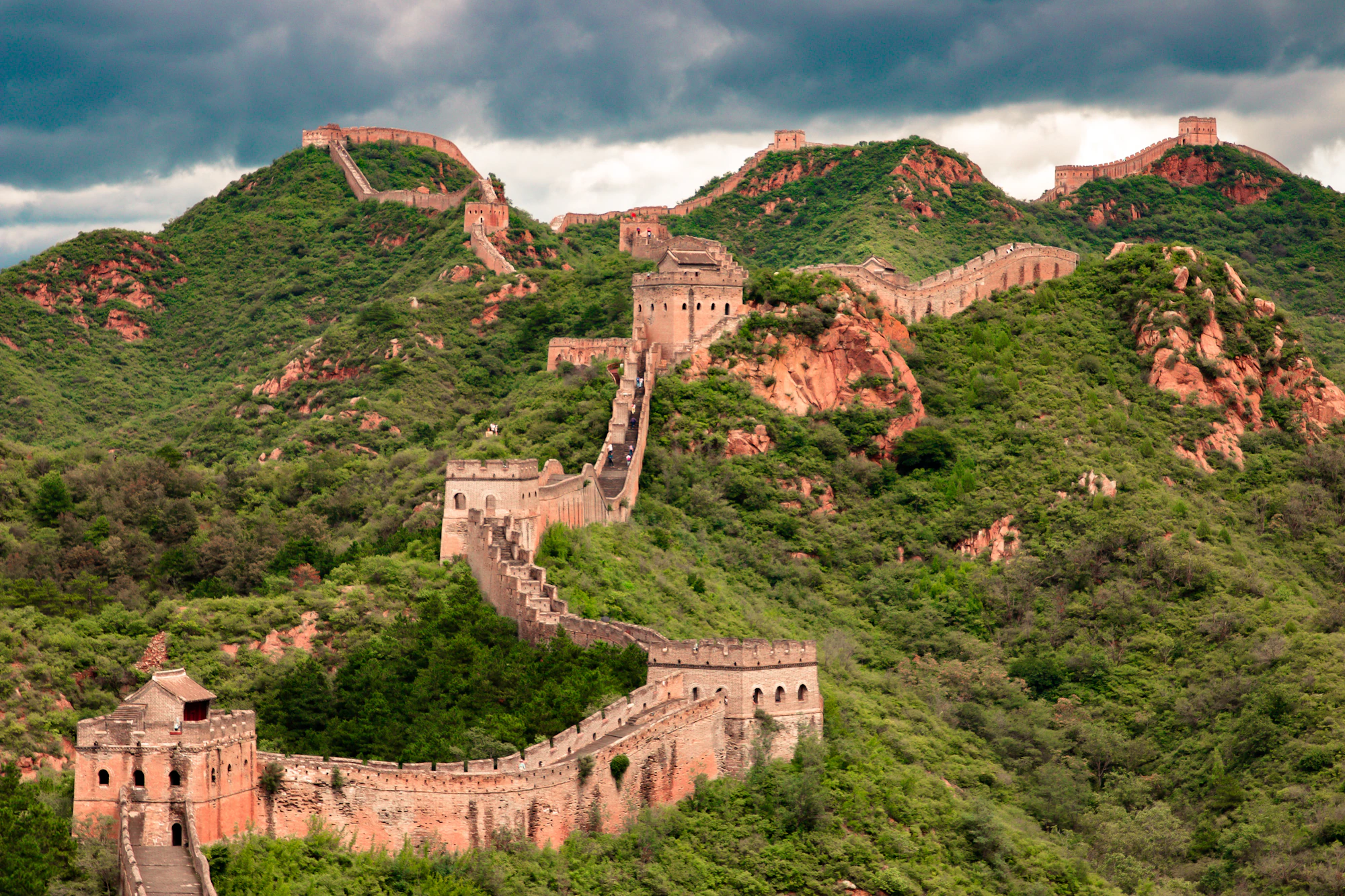
Mutianyu Great Wall (慕田峪长城) (recommended over Badaling)
- What it is: A less-crowded, well-preserved section of the Great Wall surrounded by forest
- Local's tip: Take the cable car up and the toboggan slide down for a fun experience. Arrive early (before 8 AM) to have the wall almost to yourself.
- Best time: Weekdays in autumn when the surrounding mountains turn golden and red
- Insider secret: Walk to Tower 23 for the most dramatic views with fewer tourists
- Local experience: "Badaling is packed with tour groups. Mutianyu feels more authentic — you can actually hear the wind and imagine ancient soldiers keeping watch." - Beijing hiker
Alternative: Jinshanling Great Wall (金山岭长城) (for serious hikers)
- What it is: A more rugged, partially restored section about 2 hours from Beijing
- Local's tip: Hire a local guide — the trail can be challenging but incredibly rewarding
Day 4: Summer Palace & Ming Tombs
- What it is: A vast imperial garden centered around Kunming Lake
- Local's tip: Take a boat ride across Kunming Lake to the Marble Boat, then walk back through the Long Corridor (the world's longest painted corridor).
- Don't miss: The Seventeen-Arch Bridge and the Garden of Virtue and Harmony
- Local experience: "In summer, locals rent paddle boats and bring picnics. It's our version of a weekend getaway without leaving the city." - Beijing family
Ming Tombs (十三陵) (optional, half-day)
- What it is: The burial site of 13 Ming Dynasty emperors
- Local's tip: Visit Dingling (the only excavated tomb) and walk the Sacred Way lined with stone statues
- Local experience: "The Sacred Way is beautiful in autumn when the ginkgo trees turn gold." - Beijing photographer
🎨 Arts & Culture Tour (2-3 days)
For art lovers and those seeking Beijing's creative side. This tour explores the city's thriving contemporary art scene alongside its traditional cultural heritage.
Day 1: 798 Art District & Caochangdi
798 Art District (798艺术区)
- What it is: A sprawling complex of contemporary art galleries, studios, and cafes housed in former military factory buildings
- Local's tip: Start at the UCCA Center for Contemporary Art, then wander through the smaller galleries. Don't miss the street art and industrial architecture.
- Best time: Weekday afternoons when it's less crowded; many galleries are closed Mondays
- Insider secret: Check out the small studios in the back alleys — you can often meet artists at work
- Local experience: "I bring all my out-of-town friends here. It's like Beijing's Brooklyn — gritty, creative, full of surprises." - Beijing artist
Caochangdi Art Village (草场地艺术村)
- What it is: A quieter alternative to 798 with emerging artist studios and smaller galleries
- Local's tip: Visit the Three Shadows Photography Art Centre and the nearby cafes
- Local experience: "This is where the serious artists work. Less commercial, more authentic." - Gallery owner
Day 2: Museums & Performance
National Museum of China (中国国家博物馆)
- What it is: One of the world's largest museums, covering 5,000 years of Chinese history
- Local's tip: Free entry but requires advance reservation. The ancient China exhibition is world-class.
- Don't miss: The "Road to Rejuvenation" exhibition and the ancient bronze collection
- Local experience: "Every Beijing student visits at least once. It's like our Smithsonian." - Beijing teacher
National Centre for the Performing Arts (国家大剧院) — The "Giant Egg"
- What it is: A stunning titanium and glass dome housing opera, theater, and concert halls
- Local's tip: Take the underwater entrance tunnel — it's surreal. Even if you don't see a show, the architecture is worth the visit.
- Local experience: "The acoustics in the opera house are incredible. If you can, catch a Peking Opera performance here." - Beijing music lover
Peking Opera at Liyuan Theatre (梨园剧场) (evening)
- What it is: Traditional Peking Opera performances in a historic theater
- Local's tip: Book balcony seats for the best view. Read the plot summary beforehand — the stories are complex.
- Local experience: "It's loud, colorful, and completely overwhelming in the best way. Don't worry about understanding every word — just let it wash over you." - Beijing culture enthusiast
Day 3: Traditional Culture
Prince Gong's Mansion (恭王府)
- What it is: The best-preserved Qing Dynasty prince's residence, with beautiful gardens
- Local's tip: The garden is the highlight — look for the bat-shaped pond (bats symbolize good fortune in Chinese culture).
- Local experience: "This is where locals come to imagine what imperial life was really like. The gardens are more intimate than the Forbidden City." - Beijing historian
Drum Tower & Bell Tower (钟鼓楼)
- What they are: Historic timekeeping towers with panoramic views of the hutongs
- Local's tip: Climb both towers. The drum performances at the Drum Tower happen every hour.
- Local experience: "At sunset, you can see the golden light hit the hutong rooftops. It's magical." - Beijing photographer
🍜 Foodie Adventure Tour (2-3 days)
A culinary journey through Beijing's diverse food scene. This isn't just about eating — it's about understanding Beijing's food culture, from imperial banquets to street snacks.
Day 1: Imperial Cuisine & Peking Duck
- What it is: The crown jewel of Beijing cuisine — crispy skin, tender meat, wrapped in thin pancakes
- Local's tip: Go to Siji Minfu for the best value (locals' favorite) or Dadong for a modern artistic presentation. Skip the tourist-trap Quanjude.
- How to eat it: Watch the chef carve the duck tableside. Dip the crispy skin in sugar first (trust us!), then wrap the meat with scallions, cucumber, and hoisin sauce in a thin pancake.
- Insider secret: Order the duck bone soup or salt-and-pepper duck bones — they're often the best part!
- Local experience: "A proper Peking Duck meal should take 2 hours. It's a social event, not just dinner." - Beijing food blogger
Imperial Cuisine at Fangshan (仿膳饭庄) (optional)
- What it is: Restaurant in Beihai Park serving dishes based on imperial court recipes
- Local's tip: Try the "Imperial Four Treasures" and the pea yellow cake
- Local experience: "It's expensive and touristy, but where else can you eat like an emperor?" - Beijing foodie
- What to eat: Jianbing (savory crepes), douzhi (fermented bean drink — acquired taste!), baozi (steamed buns)
- Where to go: Huguosi Xiaochi (护国寺小吃) for traditional Beijing breakfast
- Local's tip: Go early (7-8 AM) when everything is fresh and hot
- Local experience: "My morning routine: jianbing from the street vendor, eaten while walking to work. Costs 6 yuan and beats any fancy breakfast." - Beijing office worker
Nanluoguxiang & Surrounding Alleys
- What it is: A historic hutong turned food street, plus quieter surrounding alleys
- Local's tip: Skip the touristy main street and explore the side alleys (Fengsheng, Yuer, and Mao'er hutongs) for authentic courtyard restaurants.
- Don't miss: The cheese tea shops and modern Beijing fusion restaurants
- Local experience: "Yes, it's touristy now, but the side alleys still have the Beijing I grew up in." - Beijing native
Guijie (Ghost Street) 簋街 (dinner)
- What it is: A street famous for 24-hour spicy crayfish and hotpot restaurants
- Local's tip: Go to Hua's Restaurant (花家怡园) for the best crayfish. Wear clothes you don't mind getting messy!
- Local experience: "This is where Beijingers go after midnight. The energy is electric — people eating, drinking, laughing until 3 AM." - Beijing night owl
Day 3: Markets & Street Food
Wangfujing Snack Street (王府井小吃街) (morning)
- What it is: A pedestrian street with traditional snacks and exotic treats
- Local's tip: Try the tanghulu (candied hawthorn), but skip the scorpions and starfish (purely for tourist photos).
- Local experience: "It's touristy, but the tanghulu here is actually good. I bring my kids here on weekends." - Beijing mom
Panjiayuan Antique Market (潘家园旧货市场) (afternoon)
- What it is: A massive weekend market for antiques, curios, and reproductions
- Local's tip: Bargain aggressively (start at 20% of asking price). Even if you're not buying, it's fascinating to browse.
- Local experience: "I've found genuine Qing Dynasty coins here for 50 yuan. But I've also been sold 'antique' teapots made last month. It's all part of the game!" - Beijing collector
Donghuamen Night Market (东华门夜市) (evening)
- What it is: A night market with exotic street food
- Local's tip: Try the lamb skewers, stinky tofu, and sugar-coated haws. The scorpions and seahorses are just for show.
- Local experience: "Most locals don't eat here — it's for tourists. But the atmosphere is fun, and the lamb skewers are decent." - Beijing student
🚴 Hutong & Local Life Tour (1-2 days)
Experience authentic Beijing life in historic neighborhoods. This tour takes you beyond the tourist facades into the living, breathing heart of old Beijing.
Day 1: Shichahai & Surrounding Hutongs
Shichahai Lakes (什刹海) — Qianhai, Houhai, and Xihai
- What it is: Three connected lakes surrounded by historic hutongs, bars, and restaurants
- Local's tip: Rent a paddle boat in summer or ice skate in winter. The lakeside bars offer great people-watching.
- Don't miss: The Silver Ingot Bridge (Yinding Bridge) for the classic view of the West Mountain framed by traditional architecture
- Local experience: "In winter, the whole lake freezes and becomes a giant ice rink. You'll see grandpas ice skating backwards while smoking cigarettes. It's very Beijing." - Beijing resident
Yandaixiejie (烟袋斜街) — Ancient Tobacco Pipe Street
- What it is: A narrow, winding street that was once famous for tobacco pipe shops
- Local's tip: Best visited early morning or late evening when the tour groups aren't there. The architecture is genuinely old.
- Local experience: "This street has barely changed in 200 years. Walk it at dawn and you can imagine old Beijing." - Beijing historian
Mao'er Hutong (帽儿胡同) & Fengsheng Hutong (丰盛胡同)
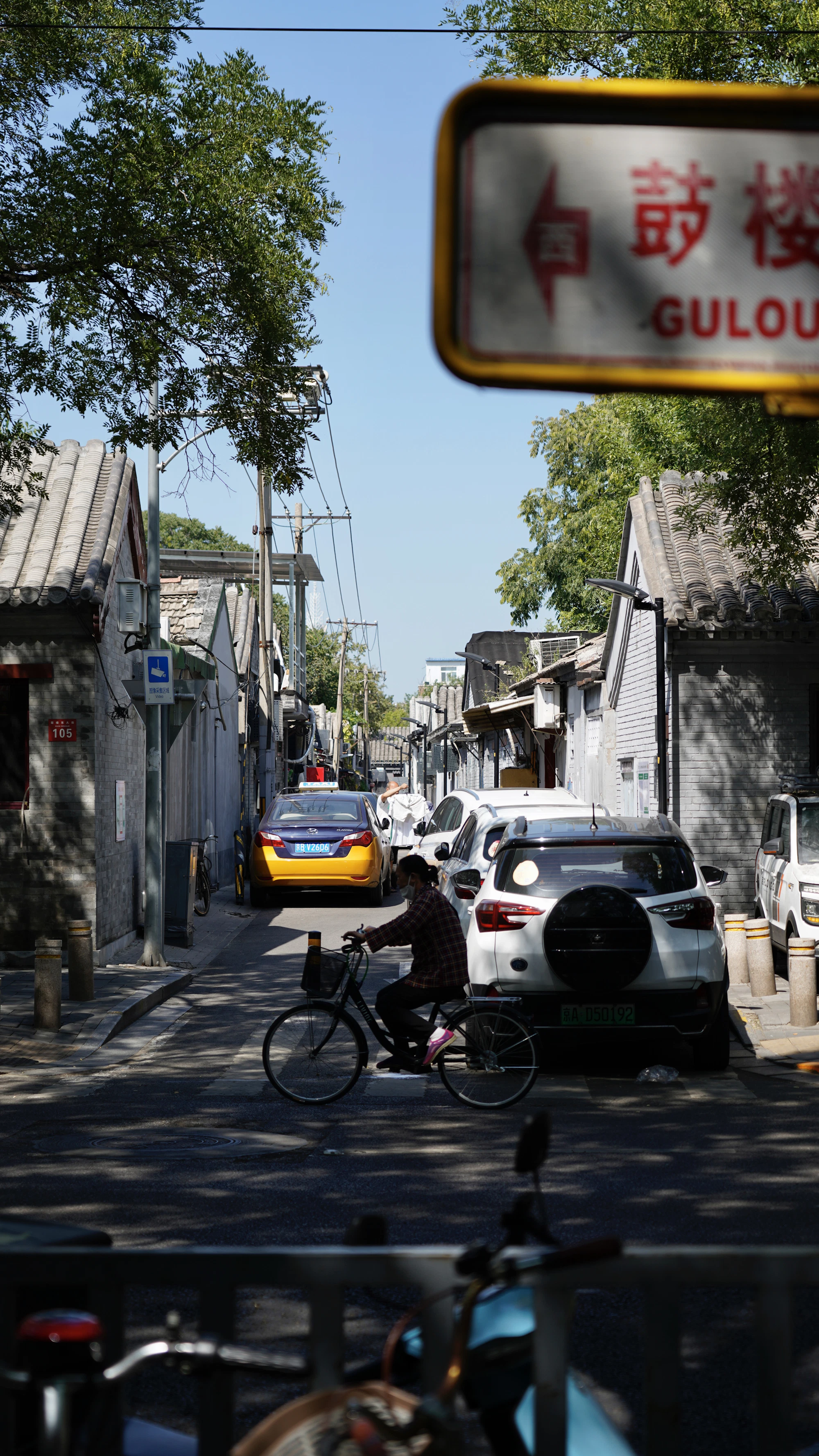
- What they are: Quiet residential hutongs with authentic courtyard houses
- Local's tip: Walk slowly, peek through open doorways (respectfully), and listen for the sounds of daily life — mahjong tiles, Peking Opera on the radio, families arguing.
- Local experience: "These hutongs are disappearing fast. Every time I visit, another courtyard has been demolished for a high-rise. See them while you can." - Beijing preservationist
Day 2: Nanluoguxiang & Drum Tower Area
- What it is: The most famous hutong in Beijing, now a pedestrian street with shops and cafes
- Local's tip: Yes, it's touristy, but explore the side alleys (the "legs" of the fishbone pattern) for quieter, more authentic courtyard homes.
- Don't miss: The Central Academy of Drama — many famous Chinese actors studied here
- Local experience: "I grew up on one of the side alleys. In the 80s, this was just a normal neighborhood. Now my childhood home is a souvenir shop. Progress, I guess." - Beijing native
Drum Tower (鼓楼) & Bell Tower (钟楼)
- What they are: Historic towers that once marked the time for the entire city
- Local's tip: Climb both for different perspectives. The drum performance at the Drum Tower happens throughout the day.
- Best view: From the top of the Bell Tower at sunset — you can see the modern CBD skyline in one direction and the ancient hutongs in the other
- Local experience: "The view from here shows Beijing's soul — old and new, side by side." - Beijing photographer
Houhai Bar Street (后海酒吧街) (evening)
- What it is: Lakeside bars and restaurants with live music
- Local's tip: Skip the overpriced tourist bars and find a small courtyard teahouse instead. Or bring beers and sit by the lake like the locals do.
- Local experience: "We don't actually go to the bars here — too expensive. We buy beers from the convenience store and sit on the lake wall, watching the world go by." - Beijing college student
Hidden Gems: Local Secrets
Fayuansi Temple (法源寺) — The Temple of the Origin of the Dharma
- What it is: A 1,300-year-old Buddhist temple hidden in a residential neighborhood
- Local's tip: Visit during the lilac festival in April when the courtyard is filled with purple flowers and the air is thick with incense
- Local experience: "This is where I come when the city gets too crazy. It's free, quiet, and older than Beijing itself." - Beijing meditator
Temple of the Moon (月坛) & Temple of the Sun (日坛)
- What they are: Lesser-known imperial temples now turned into peaceful parks
- Local's tip: These are where locals actually hang out — dancing, playing instruments, flying kites
- Local experience: "The Temple of the Sun is my secret spot. On weekends, old men play erhu (Chinese violin) under the trees. It's like stepping back in time." - Beijing musician
🔍 Hidden Gems & Local Secrets Tour (2-3 days)
For travelers who want to escape the tourist crowds and experience the authentic, lesser-known side of Beijing. These are the places where locals actually spend their weekends.
Day 1: Hidden Temples & Historic Alleys
Tianning Temple (天宁寺塔) — Beijing's Oldest Building
- What it is: A 1,700-year-old Buddhist temple with the oldest surviving above-ground structure in Beijing (a stone pagoda from the Wei Dynasty)
- Local's tip: Most tourists have never heard of it. The temple is surrounded by modern apartment buildings, creating a surreal contrast. Listen to the wind chimes — they've been ringing for over a millennium.
- Local experience: "I come here when the city gets too crazy. It's free, quiet, and older than Beijing itself. The pagoda has survived wars, earthquakes, and revolutions. It puts your problems in perspective." - Beijing meditator
Qianshi Hutong (钱市胡同) — Beijing's Narrowest Alley
- What it is: The narrowest hutong in Beijing (only 0.4 meters at its narrowest point), once the site of a Qing Dynasty silver market
- Local's tip: Enter from the bustling Dashilar area and emerge into a different century. Look for the old bank building ruins and the "silver market" plaque.
- Local experience: "You'll need to turn sideways to pass in some spots. It's like time travel — you can almost hear the silver coins clinking from 200 years ago." - Beijing historian
Xizhiku Church (西什库教堂) + 1901 Café
- What it is: A stunning Gothic cathedral built in 1703, uniquely blending Western architecture with Chinese stone steles
- Local's tip: Visit the church, then have coffee at 1901 Café next door — it's housed in the former church annex building with original wooden floors and stained glass
- Local experience: "The café feels like a European salon transplanted to Beijing. The coffee is decent, but you're really paying for the atmosphere." - Beijing writer
Day 2: Local Parks & Markets
Jiangfu Park (将府公园) — The Secret Flower Sea
- What it is: A local park famous for its April "purple snow" — thousands of February orchids (Orychophragmus) blooming simultaneously
- Local's tip: There's an abandoned railway track running through the park that makes for incredible photos. Come at sunrise for the best light and fewest people.
- Local experience: "Every April, photographers and wedding parties descend here. But if you come on a weekday morning, you'll have the entire purple sea to yourself." - Beijing photographer
Daliushu Market (大柳树市场) — The "Ghost Market"
- What it is: A Tuesday night flea market ("ghost market") where vendors sell everything from vintage cameras to antique furniture under flashlight beams
- Local's tip: Arrive after 10 PM when the market is in full swing. Bargain aggressively (start at 20% of asking price). Even if you don't buy anything, the atmosphere is electric.
- Local experience: "It's like treasure hunting in the dark. I've found Qing Dynasty coins for 50 yuan, but I've also bought 'Ming vases' made last week. It's all part of the game!" - Beijing collector
Liangma River (亮马河) — Evening Stroll
- What it is: A canal-side promenade from Yansha to Solana where locals walk their dogs, jog, and enjoy the evening breeze
- Local's tip: Start at Yansha Mall and walk east toward Solana. The lights reflecting on the water create a magical atmosphere. Grab a beer from a convenience store and sit by the water like locals do.
- Local experience: "This is Beijing's version of the Seine. On summer nights, you'll see foreigners, hipsters, and old Beijingers all sharing the same space. Very chill." - Beijing yuppie
Day 3: Off-the-Beaten-Path Art & Culture
Xidian Memory (西店记忆) — The Anti-798
- What it is: A former glass factory warehouse district turned creative hub, but with far fewer tourists than 798
- Local's tip: Check out "ZAO Tang" café — it's in a converted boiler room with incredible ceiling height. The industrial aesthetic is authentic, not manufactured.
- Local experience: "798 is like Times Square now — crowded and commercial. Xidian is what 798 was 15 years ago. Real artists work here, not just sell souvenirs." - Beijing artist
Wudaoying Hutong (五道营胡同) — The Local's Alternative to Nanluoguxiang
- What it is: A quieter, more authentic hutong with independent boutiques, craft coffee shops, and courtyard restaurants
- Local's tip: Visit "Suzuki Canteen" for Japanese curry, or just grab a coffee and people-watch. The vibe is more "Brooklyn" than "Beijing tourist trap."
- Local experience: "I bring all my out-of-town friends here instead of Nanluoguxiang. It's got the hutong charm without the selfie sticks and fried squid on sticks." - Beijing creative
Zhihua Temple (智化寺) — The Hidden Gem of Buddhist Art
- What it is: A Ming Dynasty temple with a Wanfo Pavilion featuring an exquisite coffered ceiling that rivals anything in the Forbidden City
- Local's tip: The temple is tiny but the details are extraordinary. Look for the "thousand Buddha" ceiling and the ancient pear tree that blooms in spring.
- Local experience: "The ceiling here is more impressive than the Forbidden City's, and you can actually see it without fighting through 50 tour groups." - Beijing architecture buff
Imperial Ancestral Temple (太庙) — The "Mini Forbidden City"
- What it is: Located right next to the Forbidden City (inside Zhongshan Park), this was where emperors worshipped their ancestors. The architecture rivals the Forbidden City but costs only ¥2 to enter
- Local's tip: The main hall has the same specifications as the Forbidden City's Hall of Supreme Harmony, but you'll have it almost to yourself. Perfect for photos without the crowds.
- Local experience: "I come here to escape the Forbidden City madness. Same architecture, same history, 1/100th of the people. Plus the ginkgo trees in autumn are stunning." - Beijing photographer
Day 4: Local Food Adventures & Day Trips
Liuxue Road (留学路) — The Real Beijing Food Street
- What it is: A non-touristy street near Qianmen where locals actually eat — no English menus, no picture menus, just authentic Beijing food
- Local's tip: Try Gongmenkou Mantou (宫门口馒头) for red bean rolls, or Tianqiao Laojin Shuanrou (天桥老金涮肉) for old-school hotpot. Stand on the sidewalk and eat like a local.
- Local experience: "This is where I bring friends who want 'real Beijing.' No frills, no English, just honest food at honest prices. The mantou shop has been here since I was a kid." - Beijing native
Taoranting Park (陶然亭公园) — Where Locals Really Relax
- What it is: A local park with a lake, pavilions, and a surprising number of retired people singing opera, dancing, and playing chess
- Local's tip: Rent a paddle boat, buy a bag of sunflower seeds, and watch the world go by. On weekends, you might stumble upon impromptu Peking Opera performances.
- Local experience: "My grandpa comes here every day at 2 PM to play cards with his buddies. They've been playing the same game for 20 years. It's his entire social life." - Beijing family
Jinhai Lake (金海湖) — "Little Guilin" Near Beijing
- What it is: A scenic lake about 1.5 hours from Beijing, surrounded by mountains. Locals call it "Little Guilin" for its karst landscape
- Local's tip: Take the lakeside walking trail — it's flat, easy, and incredibly scenic. Rent a bike or just stroll. Much more peaceful than the Summer Palace.
- Local experience: "We come here on weekends to escape the city. It's like the Summer Palace without the tour groups. You can actually hear birds here." - Beijing family
Olympic Forest Park North (奥森北园) — The Local's Running Track
- What it is: While tourists crowd the south park to see the Olympic Tower, locals prefer the north park for running, cycling, and picnicking
- Local's tip: Rent a bike at the north entrance and explore the forest trails. The north lake is bigger and quieter than the south.
- Local experience: "I run here every morning at 6 AM. In autumn, the ginkgo forest turns gold. It's my favorite place in all of Beijing." - Beijing runner
III. Featured Dishes
Beijing's culinary scene is a delightful mix of imperial cuisine, street food, and modern innovations. Here are the must-try dishes:
🦆 Peking Duck (北京烤鸭)
The crown jewel of Beijing cuisine. Crispy skin, tender meat, wrapped in thin pancakes with hoisin sauce and scallions.
- Siji Minfu (四季民福) — Local favorite with multiple locations, great value
- Quanjude (全聚德) — Historic restaurant since 1864, the most famous
- Dadong (大董) — Modern interpretation with artistic presentation
- Bianyifang (便宜坊) — 600-year-old "closed-oven" roasting method
- Liqun Roast Duck (利群烤鸭) — Located in a hutong near Beixiangfeng, this is where former Quanjude chefs cook for locals. No English menu, no reservations, just incredible duck at half the price of the famous places. "The owner was a Quanjude master chef who opened his own shop in a courtyard. Locals have been keeping it secret for years." - Beijing foodie
🍲 Instant-Boiled Mutton (铜锅涮肉)
Thinly sliced lamb cooked in a copper pot over charcoal, dipped in sesame sauce.
- Donglaishun (东来顺) — The most famous hotpot restaurant
- Nanmen Shuanrou (南门涮肉) — Local favorite near Tiantan
- Manhenghui (满恒记) — Authentic halal hotpot in Niujie
- Tianqiao Laojin Shuanrou (天桥老金涮肉) — On Liuxue Road, this place has been serving only hand-cut lamb, cabbage, and vermicelli since the 1980s. The owner, Old Jin, is a local legend. "Only 8 tables, no menu, just the best lamb in the city. Old Jin will tell you what to order." - Beijing regular
🍜 Zhajiangmian (炸酱面)
Hand-pulled noodles with fermented soybean paste and fresh vegetables.
- Haiwanju (海碗居) — Famous for authentic zhajiangmian
- Fangzhuangchang 69 (方砖厂69号) — Hidden gem in hutongs
🥟 Traditional Snacks
| Snack | Description | Where to Try |
|---|
| Douzhi (豆汁) | Fermented bean drink, acquired taste! | Huguosi Xiaochi, Yisan Douzhi |
| Jiaoquan (焦圈) | Crispy fried dough rings, perfect with douzhi | Huguosi Xiaochi |
| Ludagun (驴打滚) | Glutinous rice roll with red bean paste | Daoxiangcun, Huguosi Xiaochi |
| Wandouhuang (豌豆黄) | Sweet pea flour cake | Huguosi Xiaochi |
| Baodu (爆肚) | Quick-boiled tripe with sesame sauce | Baodu Feng, Baodu Zhang |
| Chaogan (炒肝) | Stir-fried pork liver and intestines | Tianxingju |
| Tanghulu (糖葫芦) | Candied hawthorn berries | Wangfujing Snack Street |
🍽️ Local Hidden Gems (Non-Touristy Restaurants)
These are the places where Beijing locals actually eat — no English menus, no picture menus, no tourist prices. Just authentic Beijing food at local prices. Navigation might be challenging, but the reward is worth it.
Zengshengkui Xiaochi (增盛魁小吃) — The Ultimate Breakfast Spot
- What it is: A halal restaurant opened in 1928, famous for its legendary tangyoubing (sugar oil cake)
- What to order: Tangyoubing (糖油饼) — crispy sugar crust that shatters when you bite, soft inside. Also try their dofunao (tofu pudding) and mendingroubing (door-nail meat pie)
- Local's tip: Arrive before 8 AM or the tangyoubing sells out. The queue is mostly elderly locals who've been eating here for decades.
- Location: Dafosi East Street (大佛寺东街26号)
- Price: ¥15 per person
- Local experience: "The tangyoubing here is the best in Beijing, hands down. My grandpa ate here, my dad ate here, I eat here. The recipe hasn't changed in 100 years." - Beijing native
Yin San Douzhi (尹三豆汁) — The Real Deal
- What it is: A humble shop near Tiantan serving the most authentic douzhi (fermented bean drink) in Beijing
- What to order: Douzhi with jiaoquan (fermented bean drink with crispy fried rings). It's an acquired taste — sour, funky, but oddly addictive
- Local's tip: Go at 6 AM when locals bring their own thermoses to fill up. Don't expect a smile from the owner — he's been up since 4 AM making douzhi.
- Location: Dongxiaoshi Street (东晓市街176号)
- Price: ¥11 per person
- Local experience: "If you can handle Yin San's douzhi, you're basically Beijingese. This is the real stuff — not the watered-down version for tourists." - Beijing grandpa
Bao Rui Mending Roubing (宝瑞门钉肉饼) — The Hidden Meat Pie
- What it is: A tiny shop in a hutong making mending roubing (door-nail meat pies) for 30 years
- What to order: Mending roubing — fist-sized meat pies with thin, crispy skin and juicy beef filling. One is a meal.
- Local's tip: Go early or wait for the next batch. The owner is gruff but the pies are worth it. Eat carefully — the juice squirts!
- Location: Chaoyangmen North Small Street (朝阳门北小街59-2号)
- Price: ¥29 per person
- Local experience: "Four yuan for a meat pie this good? It's criminal. The old man who runs this place has been making them the same way since before I was born." - Beijing office worker
Jia Daye Lu Zhu (贾大爷卤煮) — Photographer's Hutong Legend
- What it is: A luzhu (braised pork offal) restaurant run by a former photographer, decorated with old Beijing black-and-white photos
- What to order: Luzhu with extra dachang (large intestine). The dachang is cleaned until it shines, the lung is tender, and the broth is simmered for 20 years.
- Local's tip: Go at 2 PM to avoid the lunch rush. The owner loves to chat about photography and old Beijing.
- Location: Dazhalan West Street (大栅栏西街40号)
- Price: ¥55 per person
- Local experience: "The luzhu here tastes like my childhood. The owner is a character — he'll tell you stories about old Beijing while you eat." - Beijing artist
Yuan Zhao Ji (缘赵记) — The Southerner's Breakfast
- What it is: A southern Beijing institution famous for chaogan (stir-fried pork liver) and baozi
- What to order: Chaogan (炒肝) — pork liver and intestines in a garlic-heavy starch sauce. Dip the baozi in the sauce.
- Local's tip: The owner is notoriously grumpy and closes at 2 PM sharp. Arrive early or leave hungry.
- Location: Shazikou Road (沙子口路)
- Price: ¥30 per person
- Local experience: "The owner doesn't care if you're a tourist or a local — if you come after 2 PM, you're not eating. But the chaogan is worth the attitude." - Beijing regular
Hua Shi Daye Guanchang (花市大爷灌肠) — Three Generations of Tradition
- What it is: A street stall that has been serving guanchang (fried sausage) for three generations
- What to order: Guanchang — thick-cut sausage, pan-fried until crispy outside and tender inside, served with secret garlic sauce
- Local's tip: The stall is tiny — just a few stools. Eat standing up like a local.
- Location: Fahuasi Street (法华寺街天雅珠宝斜对面)
- Price: ¥19 per person
- Local experience: "My dad brought me here when I was a kid, and now I bring my kids. The recipe hasn't changed in 50 years." - Beijing dad
Man Fu Ju (满福居) — Hidden Hotpot in a Poetic Alley
- What it is: A hotpot restaurant hidden in Baihua Shenchu (百花深处) hutong, filled with the owner's antique collection
- What to order: Shouxian yangrou (hand-cut lamb) — the meat stands upright on the plate, proving it's fresh and not water-injected. The sesame sauce is the owner's secret recipe.
- Local's tip: The restaurant is easy to miss — look for the red door. The owner loves antiques — ask him about his collection.
- Location: Baihua Shenchu Hutong (百花深处胡同)
- Price: ¥100 per person
- Local experience: "Eating hotpot here feels like eating in a museum. The owner will tell you stories about every antique on the wall." - Beijing foodie
Tea Soup Li (茶汤李) — Imperial Desserts
- What it is: A time-honored shop serving imperial court desserts near the Drum Tower
- What to order: Gongting xingren doufu (宫廷杏仁豆腐) — imperial almond tofu, white as jade, swimming in sweet syrup with osmanthus flowers. Silky, fragrant, and refreshing.
- Local's tip: Perfect after a heavy dinner of luzhu or hotpot. The shop looks ancient — it is.
- Location: Gulou East Street (鼓楼东大街)
- Price: ¥25 per person
- Local experience: "After eating heavy Beijing food all day, this almond tofu cleanses your palate. It's like eating a cloud." - Beijing sweet tooth
Black Kiln Factory Street Tangyoubing (黑窑厂街糖油饼) — The Sweet Bomb
- What it is: A local favorite for tangyoubing, famous for their "double sugar" version
- What to order: Shuangtang tangyoubing (double sugar) — a sugar-coated fried dough cake that's crispy, sweet, and utterly indulgent
- Local's tip: Go early — they sell out by 9 AM. The queue moves fast but it's worth the wait.
- Location: Black Kiln Factory Street (黑窑厂街)
- Price: ¥6 per person
- Local experience: "This is Beijing's version of a donut, but better. The double sugar version is basically dessert for breakfast. No regrets." - Beijing student
IV. Recommended Routes
🗺️ Classic 4-Day Itinerary
Day 1: Tiananmen Square & Forbidden City
- Morning: Watch the flag-raising ceremony at Tiananmen Square (check times based on sunrise)
- Late Morning: Explore the Forbidden City (allow 3-4 hours)
- Afternoon: Climb Jingshan Park for panoramic views of the Forbidden City
- Evening: Stroll Wangfujing Street for shopping and dinner
💡 Pro Tip: Book Forbidden City tickets 7 days in advance at 8 PM on the official WeChat mini program.
Day 2: Great Wall & Olympic Park
- Morning: Head to Mutianyu Great Wall (less crowded than Badaling) via bus or organized tour
- Afternoon: Return to city, visit Olympic Park
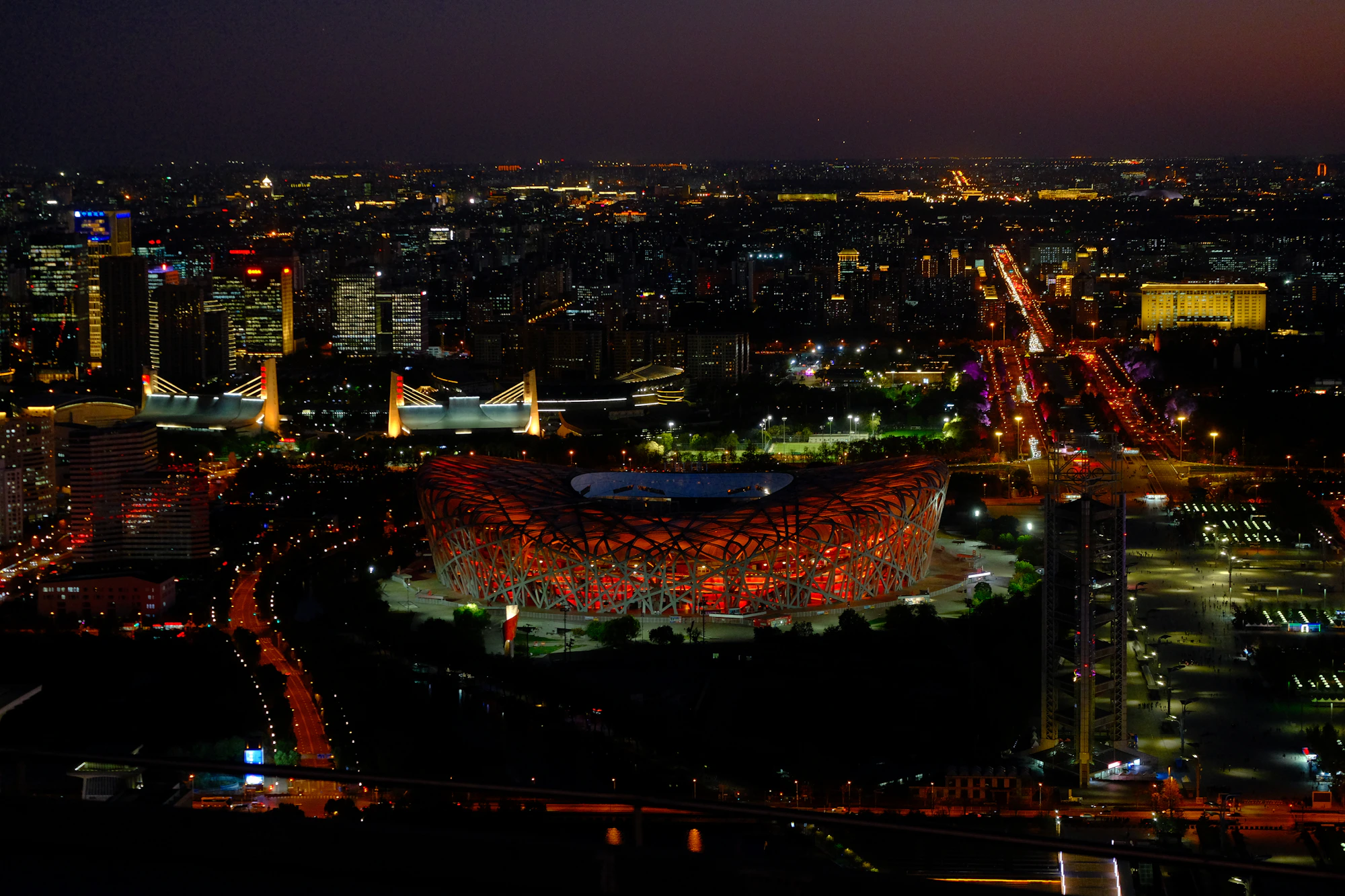
- Evening: See the Bird's Nest and Water Cube illuminated at night
💡 Pro Tip: Take the cable car up and toboggan down at Mutianyu for a fun experience!
Day 3: Temples & Hutongs
- Morning: Temple of Heaven (visit early to see locals doing tai chi)
- Afternoon: Explore hutongs — Nanluoguxiang, Shichahai, Yandaixiejie
- Evening: Dinner at Guijie (Ghost Street) for spicy crayfish
Day 4: Summer Palace & 798 Art District
- Morning: Summer Palace (take a boat ride on Kunming Lake)
- Afternoon: 798 Art District for contemporary art and cafes
- Evening: Sanlitun for nightlife and international dining
🎯 Alternative 3-Day Itinerary (For Return Visitors)
Day 1: Imperial Deep Dive
- Forbidden City (in-depth visit with guide)
- Imperial Ancestral Temple
- Zhongshan Park
- Evening Peking Opera show at Liyuan Theatre
Day 2: Great Wall & Ming Tombs
- Jinshanling or Simatai Great Wall (more authentic, less restored)
- Ming Tombs (Dingling or Changling)
- Sacred Way
Day 3: Local Life Experience
- Early morning at Temple of Heaven
- Panjiayuan Antique Market
- Hutong rickshaw tour
- Traditional tea ceremony
- Peking Duck farewell dinner
V. Entry
Airports (2 Major Airports)
Beijing has two airports. They are about 1.5 hours apart by subway/taxi, so check your ticket carefully!
Beijing Capital International Airport (PEK)
- Location: Northeast of city center
- Terminals: T2 (older) and T3 (newer, larger)
- Distance: ~25 km from city center
| Method | Price (RMB) | Time | Pros | Cons |
|---|
| Airport Express | ¥25 | ~30 min | Fastest, no traffic | No late night service |
| Airport Bus | ¥20-55 | ~1-1.5 hrs | Cheap, luggage space | Traffic delays |
| Taxi | ¥150-250 | ~40-60 min | Door-to-door | Expensive, traffic |
| Didi/Grab | ¥120-200 | ~40-60 min | App-based convenience | Surge pricing |
- T2/T3 → Sanyuanqiao (transfer to Line 10) → Dongzhimen (transfer to Line 2) → Beixinqiao
- Runs 6:00 AM - 10:30 PM
- Every 10 minutes
Beijing Daxing International Airport (PKX)
- Location: South of city center (much farther)
- Opened: 2019, modern and architecturally stunning
- Distance: ~46 km from city center
| Method | Price (RMB) | Time | Pros | Cons |
|---|
| Daxing Airport Express | ¥25-35 | ~19 min to Caoqiao | Fastest, reliable | Need to transfer |
| Airport Bus | ¥35-65 | ~1.5 hrs | Cheap, night service available | Traffic delays |
| Taxi | ¥220-300 | ~60-90 min | Door-to-door | Very expensive |
| High-speed Rail | ¥30 | ~20 min | Fast, comfortable | Limited schedule |
- Daxing Airport → Caoqiao (transfer to Line 10) → Daxing Xincheng
- Runs 6:00 AM - 11:00 PM (extended during peak times)
- Every 10-15 minutes
Visa Requirements
- Most travelers need a Chinese visa obtained in advance
- 144-hour visa-free transit available for certain nationalities transiting through Beijing
- Check current requirements with your local Chinese embassy
VI. Transportation
Subway (地铁)
Beijing's subway system is extensive, efficient, and affordable — the best way to get around!
- 27 lines covering most of the city
- Operating hours: 5:00 AM - 11:00 PM (varies by line)
- Frequency: Every 2-5 minutes during peak hours
- Cost: ¥3-9 depending on distance
Essential Lines for Tourists:
| Line | Key Stops | Attractions |
|---|
| Line 1 | Tiananmen East, Tiananmen West, Wangfujing | Forbidden City, Tiananmen Square |
| Line 2 | Qianmen, Gulou Dajie, Yonghegong | Hutongs, Drum Tower, Lama Temple |
| Line 4 | Xidan, Beijing Zoo, Yuanmingyuan, Summer Palace | Zoo, Old Summer Palace, Summer Palace |
| Line 5 | Tiantan Dongmen, Dongdan | Temple of Heaven |
| Line 8 | Nanluoguxiang, Shichahai, Olympic Green | Hutongs, Olympic Park |
| Line 10 | Guomao, Sanlitun, Zhongguancun | CBD, Sanlitun, Tech district |
- Beijing Transit Card (Yikatong): Rechargeable card, ¥20 deposit
- Mobile Payment: Alipay or WeChat Pay QR codes at gates
- Single-ride tickets: Purchase at machines (cash or mobile pay)
💡 Pro Tip: Download the "Beijing Subway" app for real-time maps and route planning in English.
Buses
- Extensive network covering areas not served by subway
- Cost: ¥2-4 (half price with transit card)
- Can be crowded and confusing for non-Chinese speakers
- Use Baidu Maps or Amap for real-time bus info
Taxis & Ride-Hailing
- Flag fall: ¥13 for first 3 km
- Color: Dark red or blue/gold
- Availability: Easy to flag down or find at stands
- Payment: Cash or mobile pay
- Download Didi app or use WeChat/Alipay mini programs
- Often cheaper than taxis
- Can input destination in English
- Tip: Have your destination written in Chinese to show drivers
💡 Important: Most taxi drivers don't speak English. Always have your destination written in Chinese or show on a map app.
Bicycles & E-Scooters
- Mobike, Meituan Bike, Hello Bike: Dockless bike-sharing apps
- Cost: ¥1.5-2 per 30 minutes
- Great for exploring hutongs and short distances
- Watch out for traffic and park in designated areas
Airport Transfers
- Airport Express: Best balance of speed and cost
- Airport Buses: Good for late-night arrivals
- Pre-booked Transfers: Hotels can arrange (more expensive but hassle-free)
VII. Emergency Call Numbers
| Service | Number |
|---|
| Police | 110 |
| Medical Emergency | 120 |
| Fire | 119 |
| Traffic Accident | 122 |
| General Emergency (Foreigners) | 010-84020101 |
| Tourist Hotline | 12301 |
| Weather Inquiry | 12121 |
- Your Country's Embassy: Save the number before traveling
- Hotel Concierge: They can assist with emergencies and translation
- Travel Insurance: Keep policy number and emergency contact handy
VIII. Departure
Getting to the Airport
From City Center to Capital Airport (PEK):
- Airport Express: From Dongzhimen or Sanyuanqiao (30 min, ¥25)
- Taxi/Didi: 45-90 min depending on traffic (¥100-200)
- Airport Bus: Multiple lines from major locations (¥20-30)
From City Center to Daxing Airport (PKX):
- Daxing Airport Express: From Caoqiao (19 min, ¥35)
- Taxi/Didi: 60-120 min depending on traffic (¥200-350)
- High-speed Rail: From Beijing West Station (20 min, ¥30)
- Allow extra time during rush hours (7-9 AM, 5-7 PM)
- International flights: Arrive 3 hours early
- Domestic flights: Arrive 2 hours early
- Daxing Airport is much farther — plan accordingly!
- Available at both airports
- Limited selection compared to international hubs
- Better deals on Chinese products (tea, silk, electronics)
IX. Accommodation Recommendations
Best Areas to Stay
🏛️ Qianmen / Dashilar (前门/大栅栏)
Best for: First-time visitors, history buffs
- Walking distance to Tiananmen Square and Forbidden City
- Traditional architecture and hutongs
- Good restaurants and shopping
- Touristy and crowded
- Higher prices
- Budget: Home Inn, Hanting Express
- Mid-range: Novotel Beijing Xin Qiao, Beijing Hotel NUO
- Luxury: The Peninsula Beijing, Hotel Côté Cour Beijing (boutique courtyard hotel)
🎭 Nanluoguxiang / Shichahai (南锣鼓巷/什刹海)
Best for: Young travelers, nightlife lovers, culture seekers
- Historic hutongs with character
- Great bars, cafes, and restaurants
- Beautiful lakeside scenery
- Can be noisy at night
- Narrow streets (taxi access limited)
- Budget: Peking Youth Hostel, The Great Wall Courtyard Hostel
- Mid-range: Orchid Hotel, Cours et Pavillons
- Luxury: Aman at Summer Palace (nearby), The St. Regis Beijing
🏙️ Guomao / CBD (国贸/CBD)
Best for: Business travelers, luxury seekers
- Modern, skyscraper-filled district
- High-end shopping and dining
- Excellent subway connections
- Less character and history
- More expensive
- Mid-range: Kerry Hotel, China World Hotel
- Luxury: Park Hyatt Beijing, Rosewood Beijing, The Ritz-Carlton
🎓 Zhongguancun / Wudaokou (中关村/五道口)
Best for: Budget travelers, students, tech workers
- Near top universities (Tsinghua, Peking University)
- Affordable accommodation
- International student vibe
- Far from main tourist sites
- Less polished area
- Budget: 7 Days Inn, Super 8
- Mid-range: Holiday Inn Express, Ibis
Types of Accommodation
🏨 International Chain Hotels
- Pros: Reliable standards, English-speaking staff, loyalty programs
- Cons: Less local character, more expensive
- Examples: Marriott, Hilton, InterContinental, Hyatt
🏮 Traditional Courtyard Hotels (Siheyuan)
- Pros: Authentic Beijing experience, beautiful architecture, peaceful
- Cons: Can be expensive, limited amenities
- Examples: Cours et Pavillons, Hotel Côté Cour, The Orchid
🛏️ Budget Hotels & Hostels
- Pros: Affordable, social atmosphere, often in great locations
- Cons: Basic facilities, language barriers
- Examples: Home Inn, Hanting, 7 Days, Peking Youth Hostel
🏠 Airbnb / Short-term Rentals
- Pros: Local experience, more space, kitchen facilities
- Cons: Legal gray area, inconsistent quality
- Tip: Choose hosts with good reviews and verified IDs
X. Essential Survival Phrases
While many young people in Beijing speak some English, having a few Mandarin phrases will go a long way!
Basic Greetings
| English | Pinyin | Chinese |
|---|
| Hello | Nǐ hǎo | 你好 |
| Thank you | Xièxiè | 谢谢 |
| You're welcome | Bù kèqì | 不客气 |
| Goodbye | Zàijiàn | 再见 |
| Excuse me / Sorry | Duìbuqǐ | 对不起 |
Getting Around
| English | Pinyin | Chinese |
|---|
| Where is...? | ...zài nǎlǐ? | ...在哪里? |
| How much is this? | Zhè duōshǎo qián? | 这多少钱? |
| Too expensive! | Tài guì le! | 太贵了! |
| I want to go to... | Wǒ yào qù... | 我要去... |
| Please stop here | Qǐng tíng zhèr | 请停这儿 |
Dining
| English | Pinyin | Chinese |
|---|
| Delicious! | Hǎo chī! | 好吃! |
| Check, please | Mǎidān | 买单 |
| I don't eat meat | Wǒ bù chī ròu | 我不吃肉 |
| Water | Shuǐ | 水 |
| Beer | Píjiǔ | 啤酒 |
Emergency
| English | Pinyin | Chinese |
|---|
| Help! | Jiùmìng! | 救命! |
| I need a doctor | Wǒ xūyào yīshēng | 我需要医生 |
| Call the police | Bàojǐng | 报警 |
| Where is the hospital? | Yīyuàn zài nǎlǐ? | 医院在哪里? |
💡 Pro Tip: Download the "Pleco" dictionary app or "Google Translate" with offline Chinese packs for instant translation.
XI. Packing List
Documents
Clothing (Season-Dependent)
Spring/Fall (March-May, September-November):
Winter (December-February):
Electronics
Health & Personal Care
Money & Payment
Miscellaneous
Apps to Download Before You Go
🎯 Final Tips for an Amazing Beijing Trip
-
Book attractions in advance! The Forbidden City, National Museum, and other popular sites require advance reservations.
-
Learn to use mobile payments. Cash is increasingly rare in Beijing.
-
Carry toilet paper and hand sanitizer. Public restrooms often lack these.
-
Be prepared for air pollution. Check the AQI and bring masks if needed.
-
Don't be afraid to try street food. Some of the best eats are from small vendors.
-
Respect local customs. Don't discuss sensitive political topics.
-
Take time to wander hutongs. The best discoveries are often accidental.
-
Stay hydrated. Beijing's dry climate can sneak up on you.
-
Download offline maps. Internet can be spotty in some areas.
-
Keep an open mind and sense of adventure! Beijing is full of surprises.
📚 Additional Resources
- Forbidden City Tickets: dpm.org.cn
- Beijing Subway Map: bjsubway.com
- China Train Tickets: 12306.cn (Chinese only) or Trip.com (English)
Happy travels in Beijing! 北京欢迎你!
Disclaimer: This guide is based on personal experiences and publicly available information. Prices, opening hours, and policies may change. Always verify current information before traveling.